On a mild November afternoon in Ajman, a teacher unlocked the schoolyard gate and thirty five-year-olds spilled out like the doors of a lift had jammed. Ten minutes earlier they had been slouching at their desks, chewing pencils, staring at a whiteboard. Now they were sprinting, shouting, drawing dragons on the paving with pink chalk. By the time the bell rang them back inside, their cheeks were flushed and their handwriting, oddly, got neater. Any parent or teacher in the UAE has seen a version of this small miracle. The question is why we still treat outdoor time as an extra rather than a fixture on the daily timetable.
The Body Needs Sunlight, Not Just Screens
Children in the Emirates live in an unusual environment. Winters are perfect for being outside, summers push everyone into cooled rooms, and the school day is already busy. It is easy for a week to pass with a child moving only between car seat, classroom chair and sofa. That pattern quietly weakens the very systems that keep kids healthy.
Regular time in fresh air strengthens the immune system, improves lung capacity and helps the body produce vitamin D through safe sun exposure, which supports bone growth and mood. The World Health Organization recommends at least 60 minutes of moderate to vigorous physical activity per day for children aged 5 to 17. Most of that hour is easier to reach outside than in a living room.
There is a second, less obvious benefit. Playing outside exposes children to a wider variety of microbes, textures and temperatures than a sanitised indoor space. Over time this variety helps train the immune system rather than shelter it, which is one reason paediatricians keep pointing parents back to the park.
Fresh Air Is a Reset Button for the Brain
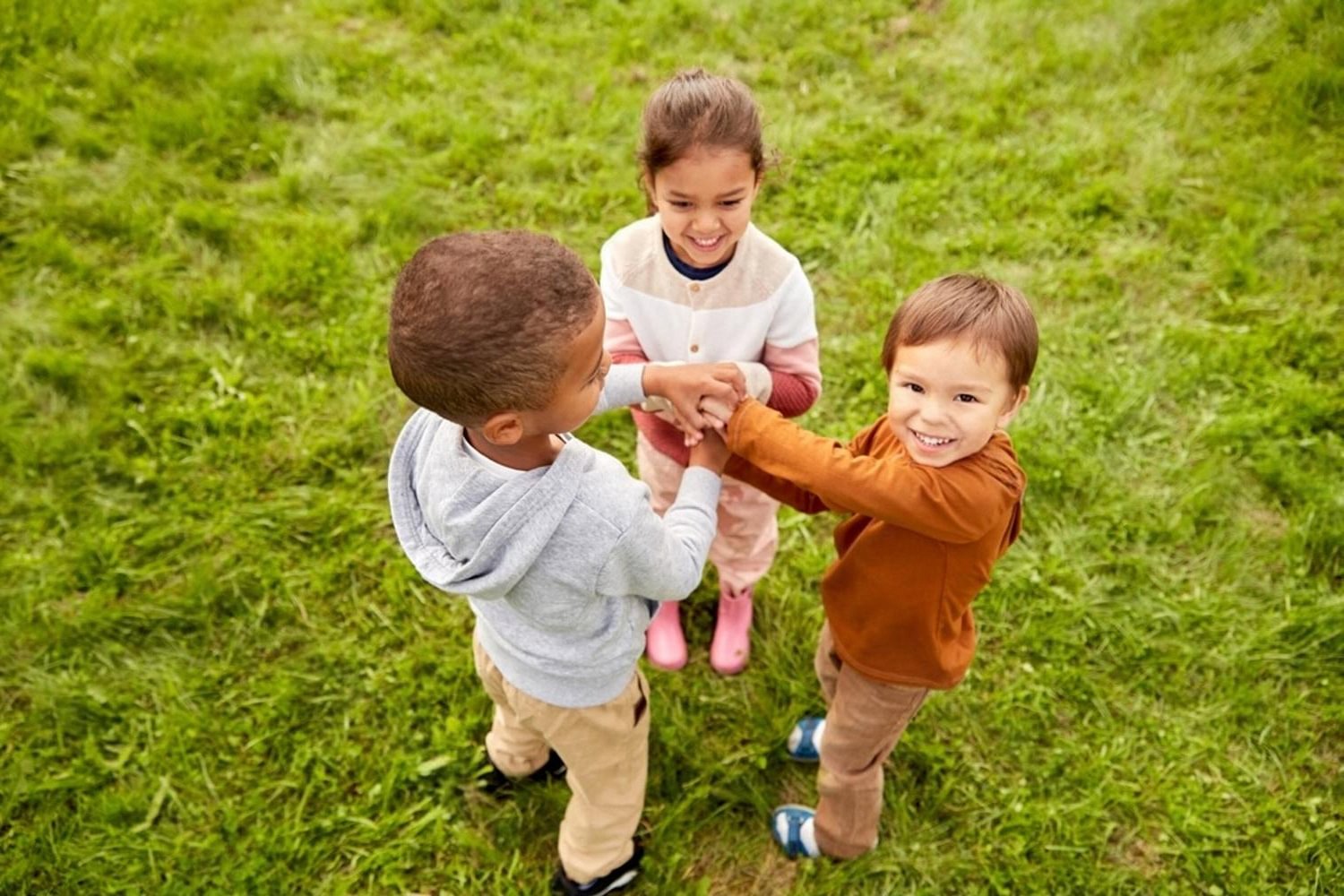
Ask any Grade 2 teacher in Dubai or Sharjah what happens after a break outdoors and you will hear the same answer: the children come back different. Calmer, sharper, more willing to listen. This is not folklore. Alternating classroom work with outdoor play switches the child’s activity from mental to physical, and that switch is exactly what a developing brain needs to consolidate what it just learned.
Sitting at a desk for long stretches is genuinely tiring for young bodies. Muscles stiffen, posture slumps, attention drifts. Twenty minutes of running, climbing or ball games flushes that fatigue out and resets focus for the next lesson. Schools that build outdoor breaks into every half-day, including good kindergarten ajman programmes, tend to report fewer discipline problems and better classwork in the afternoon. The child who has moved is the child who can concentrate.
Outdoor time also gives children something a worksheet cannot: unstructured social practice. Deciding who bats first, agreeing on the rules of a chase game, comforting a friend who fell, these are the small negotiations that build empathy and confidence.
Making It Work in the UAE Climate
Yes, the summer heat is real. From roughly June to September, mid-day outdoor play is not safe for young children. But that leaves seven cooler months when mornings and late afternoons in the UAE are excellent for being outside, and even in summer the hours after Maghrib prayer are usually pleasant enough for a park visit.
The trick is to protect the habit year-round rather than start over each November. Villa compounds, community parks in Al Barsha, Al Warqa or Ajman Corniche, school playgrounds after hours, shaded courtyards in the mall, all of these count. What matters is that the child moves outdoors every day, not that the location is picture-perfect.
Water, sun hats, light long sleeves and a sensible schedule solve most of what UAE parents worry about. The rest is just letting kids be kids.
Simple Outdoor Activities Children Actually Love
You do not need equipment, a coach or a booking. Some of the best outdoor sessions cost nothing and use whatever is in the boot of the car. Here are practical ideas that work for UAE families and small groups at nursery or primary age.
Ball games
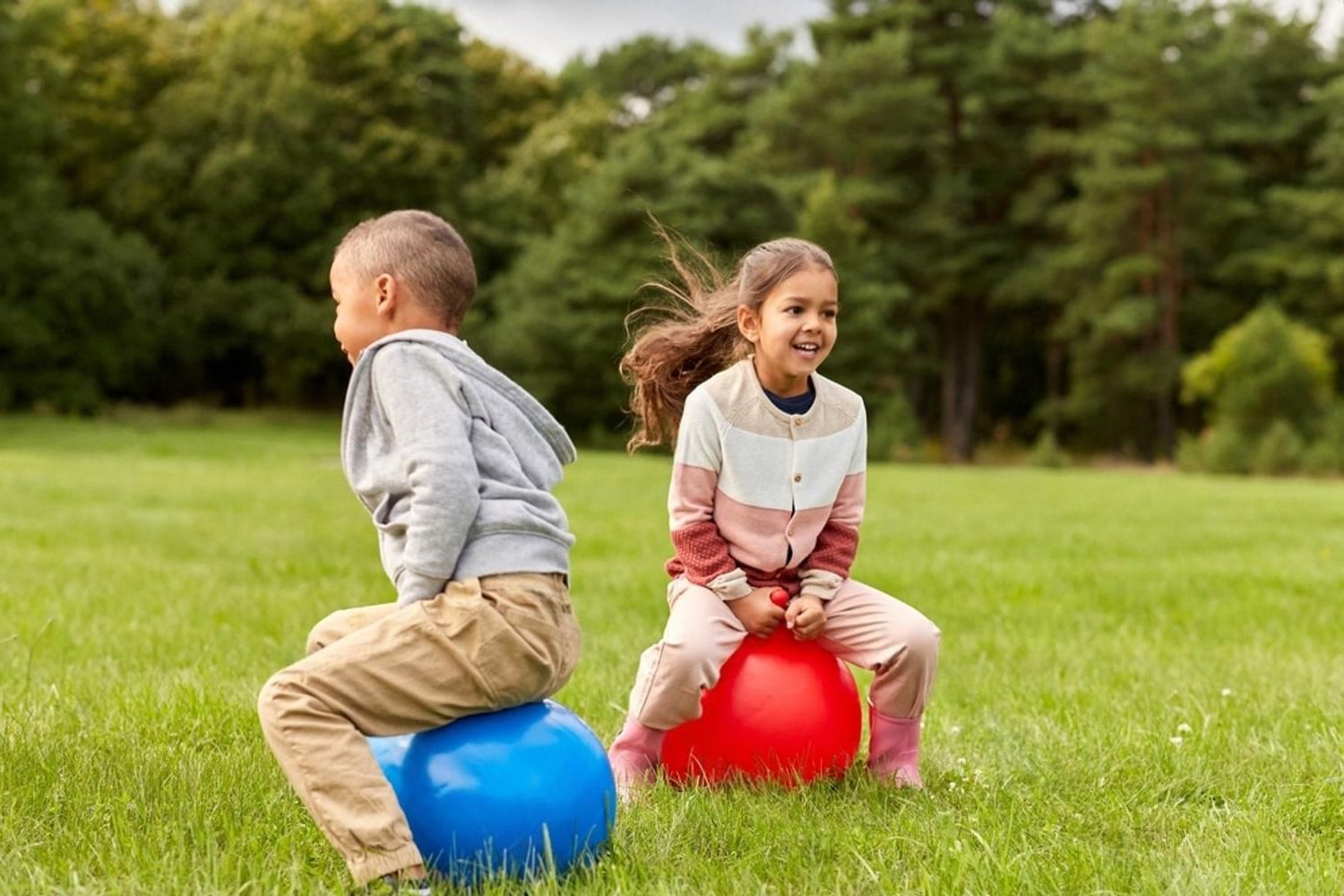
Football, catch, dodgeball, or a simple game of monkey-in-the-middle. Ball play builds coordination and burns energy fast, which is exactly what a restless child needs before homework.
Chalk on the pavement
A box of chalk turns any villa driveway or park path into a canvas. Hopscotch grids, race tracks, story maps and giant self-portraits all count as art, movement and problem-solving at once.
Morning warm-up
Ten minutes of stretches, jumping jacks and toe touches before school. It wakes the body up, builds a routine and shifts phone time out of the morning rush.
Skipping rope
One rope, endless variations: solo skipping, double dutch, counting challenges, rhymes. Excellent for balance and stamina, and it packs into a school bag.
A few more options that need almost no setup:
- Nature scavenger hunts in a community park, spotting different leaves, birds or textures.
- Obstacle courses made from cones, cushions and garden furniture.
- Bike or scooter time on the many cycle paths built across Abu Dhabi and Dubai.
- Kite flying on the corniche when the winter breeze picks up.
- Simple gardeningletting children water plants, dig, and watch things grow over weeks.
A child who moves every day sleeps better, eats better and learns better. It is the closest thing to a shortcut that parenting offers.
Building the Habit, One Day at a Time
The goal is not perfection. If your child gets 20 to 30 minutes of real outdoor movement most days of the week, alongside whatever they do at school, you are already ahead of most families. Start small, protect the slot in the calendar, and let the child choose the activity as often as possible. Ownership keeps the habit alive on the days when nobody feels like going out.
In a country where malls, screens and cool cars are always five minutes away, the simple act of walking outside with a football is a quiet form of parenting discipline. Kids in the UAE grow up with plenty of advantages. Making sure daily fresh air is one of them costs very little and pays back for decades.
Frequently asked questions
How much outdoor time should a child in the UAE get each day?
Aim for at least 60 minutes of moderate to vigorous physical activity per day, in line with international paediatric guidance. In the UAE this is easiest to split: some active outdoor play in the early morning or late afternoon when temperatures are comfortable, and a short movement break somewhere in the middle of the day.
Even 20 to 30 minutes of real running-around outside is far better than none, and consistency across the week matters more than any single long session.
Is it safe for kids to play outside during UAE summers?
Between roughly June and September, mid-day outdoor play is not safe for young children because of high temperatures and humidity. Restrict outdoor sessions to shortly after sunrise or after sunset, keep them shorter, and always bring water.
Shaded parks, community pools and indoor play areas can bridge the hottest weeks. The important thing is to keep the daily movement habit alive, not to force outdoor play in unsafe heat.
What outdoor activities work well for a child who prefers screens?
Start with activities that have a clear structure and quick reward, since screens train kids to expect fast feedback. Chalk drawing challenges, timed obstacle courses, football with a scoring system, or scooter races usually pull a reluctant child in faster than “let’s just go to the park.”
Going out with a friend or sibling also helps. Peers are more persuasive than parents when it comes to putting the tablet down.
Does outdoor play really help school performance?
Yes. Alternating classroom sitting with physical activity outside gives the brain a genuine reset. Children come back to class calmer, more focused and better able to retain what they are learning.
Schools that build regular outdoor breaks into the daily timetable consistently report better behaviour and stronger afternoon attention spans.
What should my child wear for outdoor play in the UAE?
Light, breathable cotton in loose cuts works best. In cooler months a long-sleeved layer is helpful in the early morning. In warmer months choose lighter colours, a wide-brim hat and closed shoes for running.
Sunscreen on exposed skin and a refillable water bottle should be part of every outdoor session, even short ones.
How can teachers add more outdoor time without losing lesson hours?
Short, frequent breaks work better than one long recess. Two 10 to 15 minute outdoor breaks between core lessons cost very little curriculum time and pay back through sharper attention afterwards.
Some subjects also move well outdoors: nature-based science, PE-style warm-ups, group reading in a shaded area, or maths games with chalk on paving. The goal is to make outdoor time a normal part of the school day, not a treat.

A person with an impeccable reputation in the world of blogs about everything. Traveler, owner of his own business.